
A Connected Parent Workshop
The Connected Parent: Behind the Behavior
When Your Child's Reactions Feel Bigger Than the Moment
A live, virtual experiential workshop for parents and caregivers who want to better understand intense, confusing, shut-down or unsafe behavior.
Not currently scheduled. Join the interest list to hear about future dates.
When you understand what you want to do, but lose access to it in the moment.
- "Why does my child react so strongly to something that seems small?"
- "My child can seem like a completely different person when overwhelmed."
- "Consequences, reasoning and reassurance aren't working."
- "I don't know when to offer connection, set a limit or give space."
- "I'm trying to stay calm, but I'm becoming overwhelmed too."
- "We keep repeating the same escalation cycle."
Look beneath the behavior without losing sight of safety or limits.
Together, we'll explore what may be happening beneath difficult behavior through a nervous-system, attachment, trauma-informed and parts-informed lens.
Caregivers will examine the interaction between the child's behavior, the caregiver's internal response and the patterns that can take over during difficult moments.
The goal is not to diagnose the child or become a perfectly regulated parent. It is to understand the cycle more clearly and leave with a practical response and repair plan.
A Parenting Wheel–informed way of understanding the cycle.
- 01
What happened?
- 02
What might the behavior be communicating or protecting?
- 03
What happened in the caregiver's body?
- 04
Which automatic parenting response appeared?
- 05
Did the child need safety, containment, connection, a limit or space?
- 06
What response was possible in that moment?
- 07
What could repair look like afterward?
Part One: Understanding What Is Beneath the Behavior
Part One focuses on recognizing what may be happening beneath the surface of difficult behavior:
- Behavior as communication, protection and adaptation
- How stress, trauma, attachment experiences, sensory needs and nervous-system overwhelm may affect behavior
- Recognizing fight, flight, freeze, shutdown, control, avoidance and disconnection
- Why a child may appear capable at one moment and lose access to those skills during distress
- Understanding protective responses without labeling or diagnosing the child
- Mapping the interaction between the child's reaction and the caregiver's response
- Recognizing what happens inside the caregiver during escalation
- Caregiver grounding and orienting practices
Part Two: Responding With Safety, Limits and Connection
Part Two focuses on practical response, boundary-setting and repair:
- Regulating yourself before attempting to co-regulate
- Choosing connection, containment, limits or space based on the situation
- Setting boundaries without shame or unnecessary escalation
- Practicing short, regulated caregiver responses
- Repairing after difficult interactions
- Creating a personalized "when this happens" response plan
- Creating a caregiver support plan
- Recognizing when the family may need individual therapy, family therapy, crisis intervention or a higher level of care
How we'll work
- Parenting Wheel–informed reflection
- Caregiver empowerment informed by the Group Parent Empowering Protocol (GPEP).
- Attachment-focused education
- Nervous-system education
- Parts- and ego-state-informed caregiver reflection
- Grounding and orienting
- Somatic awareness
- Restorative seated practices
- Structured response and repair practice
What this workshop is, and what it isn't.
This workshop offers education, experiential reflection and caregiver support. It does not diagnose or treat a child, replace the child's individual care, provide custody recommendations or function as crisis intervention. Children do not attend.
Some children cope with overwhelming experiences by disconnecting, shutting down, losing access to skills or shifting into strongly protective states. These responses deserve thoughtful assessment rather than assumptions or labels.
Want more time to practice and go deeper?
Behind the Behavior offers a focused introduction and a practical response plan. The eight-week Connected Parent group provides more time for continued practice, caregiver reflection, attachment exploration and support alongside other parents.
Two Virtual Cohorts
Choose your cohort
Two separate virtual cohorts of the same two-part workshop. Each cohort is for adults.
Texas Virtual Cohort
TEXAS
- Dates
- Not currently scheduled. Join the interest list to hear about future dates.
- Schedule
- Eligibility
- Participants must be physically located in Texas during both meetings
- Investment
- $350
- Digital participant workbook included
- Status
- Interest List Open
Oregon Virtual Cohort
OREGON
- Dates
- Not currently scheduled. Join the interest list to hear about future dates.
- Schedule
- Eligibility
- Participants must be physically located in Oregon during both meetings
- Investment
- $350
- Digital participant workbook included
- Status
- Interest List Open
Both cohorts follow the same two-part workshop format. Adults attend without their children. A digital participant workbook is included. No continuing-education credit is provided.
Meet Your Facilitators

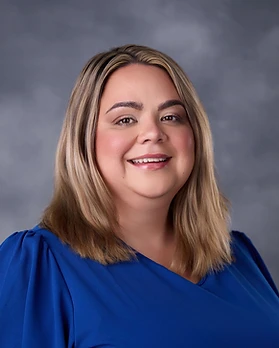
Sasha Flores
LCSW-S · PMH-C · RYT-200
Sasha Flores, LCSW-S, PMH-C, RYT-200, is a trauma therapist licensed in Texas, Oregon, Washington, and Colorado. Her work is compassionately direct, experiential, body-aware, and grounded in both consent and accountability.

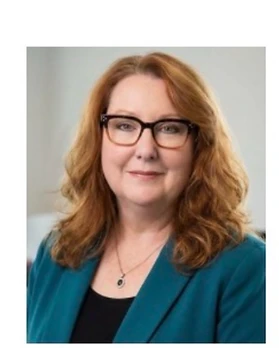
Wendy Curtis
LCSW-S
Wendy Curtis, LCSW-S, is a licensed clinical social worker and the founder of RenewU Counseling and Consultation Services, PLLC, in Vernon, Texas. She brings more than 15 years of experience providing trauma-informed, evidence-based care.
Wendy is trained in EMDR and Accelerated Resolution Therapy and is certified in Ketamine-Assisted Psychotherapy through Journey Clinical. She is licensed in Texas, Nevada, Arizona and Oregon.
Wendy joins Sasha for the Oregon cohort only. The Texas cohort is led by Sasha independently. Wendy brings trauma-informed care experience with clients of different ages and family counseling.
Wendy Curtis is the owner of an independent clinical practice and is collaborating with Sasha Flores Therapy specifically for this offering. Participation in this group does not establish individual therapy with Wendy or RenewU Counseling.
Frequently Asked Questions


You don't have to understand every behavior before you can begin responding differently.
Not currently scheduled. Join the interest list to hear about future dates.