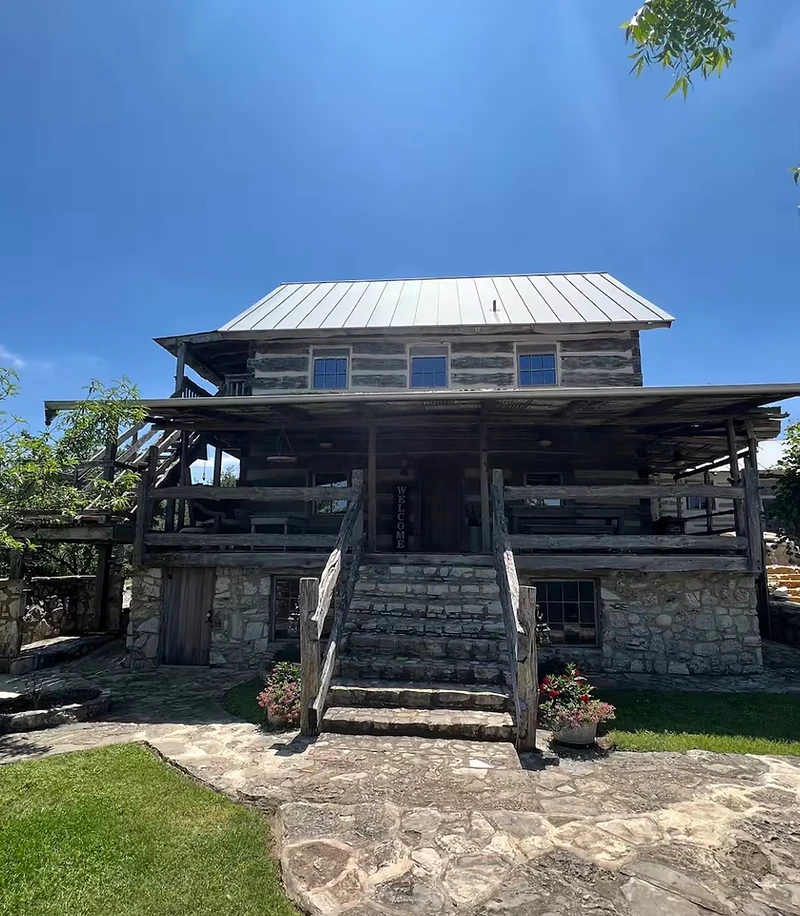
Hill Country Retreat
When Insight Isn’t Enough
A Multi-Day Experiential Psychotherapy Intensive for Women
You may understand the pattern, and know where it came from.
You may have spent years in therapy, reading, reflecting, coping, and trying to change it, and still find yourself returning to the same reactions, relationships, or ways of protecting yourself.
This intimate therapist-led retreat is designed for women who are ready for something deeper than simply understanding what is happening.
6 women · 2 trauma therapists · 4 days / 3 nights
April 9–12, 2027
Camp Milagro | New Braunfels, Texas Hill Country
Investment: $3,450
Positioning
This Isn’t a Wellness Retreat.
This is a small-group psychotherapy intensive intentionally designed for deeper experiential work.
The Hill Country setting creates room to step outside everyday responsibilities, slow down, notice what is happening beneath the surface, and engage in therapeutic work that can be difficult to access in a traditional weekly session.
Rather than filling every hour with activities, the retreat balances focused psychotherapy with regulation, rest, reflection, connection, movement, and integration.
The goal is not to perform healing. It is to create enough space for something different to become possible.
4 days / 3 nights · 6 women · 2 therapists · private room · meals · preparation + integration
Who This Is For
You May Be a Good Fit If…
You are often the capable one. You know how to function, perform, care for others, problem-solve, and keep moving.
You may already understand your childhood, attachment patterns, trauma responses, relationships, protective parts, or nervous system. And yet something still feels unresolved.
You may notice yourself:
- overthinking even when you know better
- shutting down when connection matters most
- becoming angry and then feeling ashamed of it
- people-pleasing until resentment builds
- controlling situations because uncertainty feels unbearable
- disconnecting from your own needs
- feeling responsible for everyone else
- struggling to receive care
- knowing what you “should” do but being unable to make your body follow
This retreat is for women who are ready to move beyond insight alone and begin working with the deeper patterns held in the body, nervous system, relationships, and protective responses.
Why This Format
Why More Than a Weekly Therapy Hour?
Some patterns are difficult to reach when therapy has to stop just as something important begins to emerge.
A multi-day intensive creates longer stretches of uninterrupted therapeutic time while also allowing space between sessions for the nervous system to settle, integrate, and respond.
Instead of repeatedly opening and closing the work within a traditional therapy hour, participants can move between experiential psychotherapy, body-based and nervous-system work, reflection, supported rest, movement, connection, and integration.
This creates a very different therapeutic container from both weekly therapy and a traditional retreat.
What We Actually Do
What Does “Experiential” Actually Mean?
You may already be very good at talking about what happened.
You may understand your attachment patterns, recognize your triggers, know why you react the way you do, and even be able to explain exactly where a pattern came from. And still experience it.
Experiential psychotherapy creates opportunities to work with what happens in real time, not only what you can understand intellectually.
That might mean:
- noticing what happens in your body when you consider setting a boundary
- becoming curious about the part of you that immediately wants to take care of everyone else
- noticing the moment you want to disappear, perform, control, intellectualize, shut down, or make yourself smaller
- or experiencing connection, anger, rest, receiving support, or having a need without immediately overriding it
Depending on the needs and capacity of the group, therapeutic work may draw from trauma-focused, attachment-focused, somatic and body-based, parts and ego-state, EMDR-informed, guided reflection, and restorative practices.
These are not a checklist of techniques every participant must complete. The work remains responsive to the people in the room.
An Invitation
You Don’t Have to Be Good at Therapy Here.
You don’t need the perfect insight.
You don’t need to say the most vulnerable thing in the room.
You don’t need to tell your entire story.
You don’t need to take care of the other women.
You don’t need to make progress on someone else’s timeline.
And you don’t need to prove that you’re doing the retreat “right.”
Even noticing the urge to perform, please, disappear, control, fix, intellectualize, stay useful, or take care of everyone else can become part of the work.
You are allowed to notice before you change.
You are allowed to need space.
You are allowed to say no.
You are allowed to participate differently than someone beside you.
This retreat is not about performing healing. It is about having enough support and space to become curious about what happens when you don’t have to.


Time by the Guadalupe River, part of the retreat’s rhythm of work and rest.
How the Work Is Held
The Retreat Process
Four movements, kept simple and spacious.
01
Intention
What keeps asking for your attention?
Identify what keeps asking for your attention without demanding that you fix yourself.
Notice recurring patterns, emotions, relationships, protective responses, and places where insight hasn’t necessarily created change.
02
Preparation
Creating enough support to do something different.
Build resources, notice what your body is communicating, and establish the support, boundaries, and pacing you need.
Preparation begins before the retreat and includes individual pre-retreat preparation and group orientation.
03
Processing
Moving beyond talking about the pattern.
Engage in carefully facilitated individual and group experiential psychotherapy grounded in choice, consent, pacing, and clinical appropriateness.
There is no prize for pushing farther than you’re ready to go.
04
Integration
Giving what emerges somewhere to go.
Give what emerges time to settle, and explore how to carry the experience back into your relationships, everyday life, and ongoing therapy.
After the retreat, you'll have access to a 60-minute integration session, available virtually, with an optional scheduled integration time on April 26, 2027, at 10:00 AM Central.
Safety & Choice
What If I Need a Break?
Needing space does not mean you are doing the retreat wrong.
Deep work does not require flooding yourself. You will not be expected to push through an experience simply because it is on the schedule, to disclose every detail of your story, or to relive experiences for the group.
Depending on what is clinically appropriate, you may be able to:
- pause
- modify an exercise
- decline participation in a particular activity
- step outside
- use regulation practices
- take quiet space
- receive additional support
- return when you are ready and it is appropriate to do so
The retreat is designed around collaboration, consent, pacing, and respect for protective responses. More intensive does not mean more forceful.
Small by Design
Six Women. Two Trauma Therapists.
6
Participants Maximum
2
Trauma Therapists
3:1
Participant-to-Therapist Ratio
Why Two Therapists?
Small-group trauma work requires more than someone standing at the front of the room facilitating.
Having two therapists allows the retreat to remain more responsive to what is happening throughout the group. While one therapist may be facilitating an experience, another can help notice activation, support regulation, assist someone who needs additional space, or help a participant step away temporarily without requiring the entire group process to stop.
The goal is not constant observation. It is greater capacity for support.
Six participants. Two therapists. Intentionally small by design.
Ready to explore whether this is a fit?
Participation includes a clinical fit and readiness screening before enrollment is finalized.


Camp Milagro, the private retreat property outside New Braunfels.
The Place
Deep Work Needs Room to Breathe
The retreat takes place in the Texas Hill Country near New Braunfels at a private property surrounded by nature.
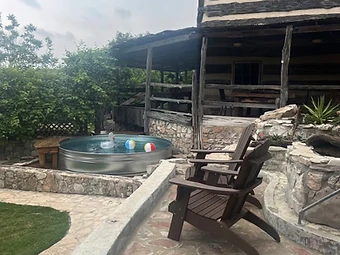
Between periods of focused psychotherapy, participants will have opportunities to step outside, rest, move, sit near the river, journal, take quiet space, or reconnect with the body before returning to the work.
The retreat environment is not an escape from therapy. It is part of creating enough physical and emotional space for deeper therapeutic work to unfold.

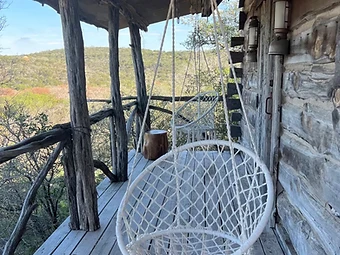

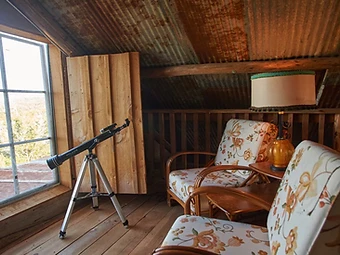



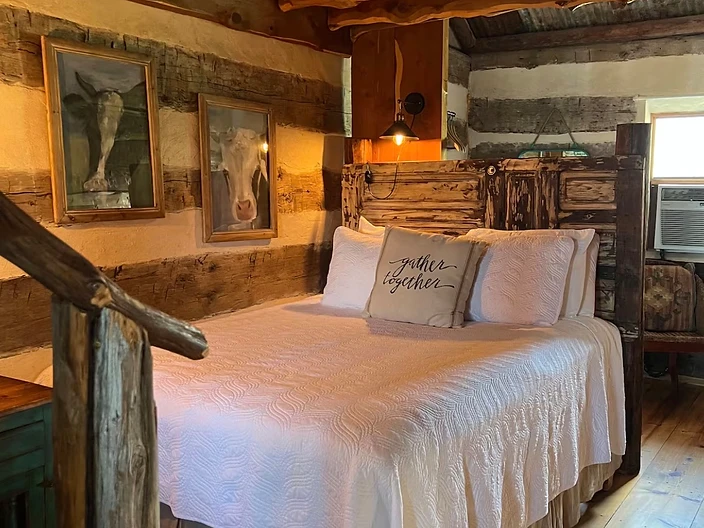
Your Own Private Space to Come Back To
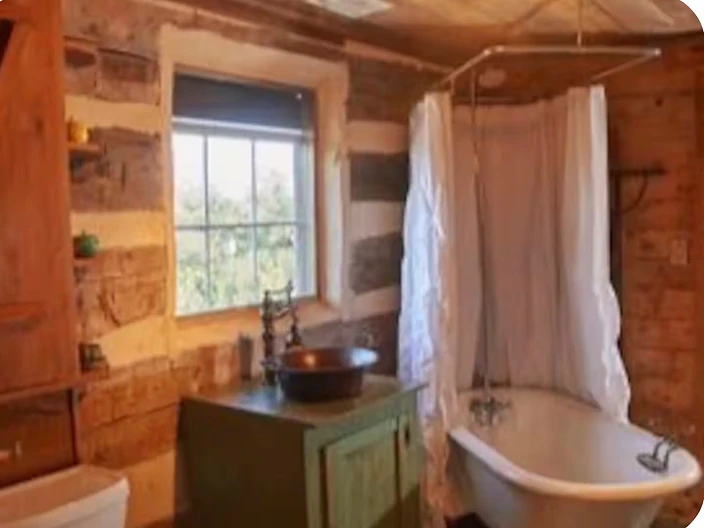
Every participant receives a private bedroom. After emotionally demanding work, you will not be expected to remain “on,” socialize, or share a sleeping space.
You will have a room where you can close the door, rest, journal, cry, shower, decompress, sleep, or simply be quiet.
Your private room is not just an amenity. It is part of the retreat’s integration structure, a place for your nervous system to come down between periods of deeper work.
Privacy isn’t an upgrade. It’s built into the retreat.








Meals & Shared Spaces
Catered meals are included, from Friday dinner through Monday breakfast. Dietary needs are asked about as we discuss participation; accommodation depends on the specific need and catering capabilities.
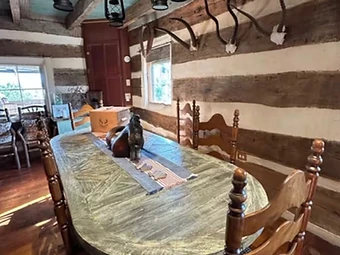
Between sessions, the property offers shared gathering spaces, including a living room with a stone fireplace and a long communal dining table, alongside the quiet outdoor spaces.



The Rhythm of the Days
How the Weekend Will Unfold
The retreat is intentionally structured with spaciousness in mind. Each day includes facilitated therapeutic experiences, opportunities for rest and reflection, shared meals, and time to settle before moving into the next part of the work. The schedule may shift slightly in response to the needs of the group.
Friday, April 9
Arrive & Settle In
3:00–5:00 PM
Arrival and Private Room Check-In
Arrive, settle into your private bedroom, explore the property, and take time to transition out of everyday responsibilities.
5:30 PM
Welcome and Opening Gathering
We will orient to the space, review how we will care for ourselves and one another, and begin creating a shared sense of safety and choice.
6:30 PM
Catered Dinner
8:00 PM
Gentle Grounding and Evening Close
A quiet, facilitated practice to help you settle before returning to your room for the evening.
Saturday, April 10
Notice What Has Been Carrying You
8:00 AM
Catered Breakfast
9:00 AM
Morning Grounding and Therapeutic Workshop
10:30 AM
Break
10:45 AM
Facilitated Experiential Processing
12:30 PM
Catered Lunch
1:30 PM
Rest and Integration Time
Use this time for quiet, journaling, time outdoors, or simply doing nothing.
3:00 PM
Small-Group and Individual Experiential Work
4:30 PM
Break and Personal Time
6:00 PM
Catered Dinner
7:30 PM
Restorative Practice and Evening Integration
Sunday, April 11
Make Room for Something Different
8:00 AM
Catered Breakfast
9:00 AM
Morning Grounding and Therapeutic Workshop
10:30 AM
Break
10:45 AM
Deeper Experiential Processing
12:30 PM
Catered Lunch
1:30 PM
Extended Rest and Integration Time
Time for solitude, journaling, nature, the Guadalupe River, or quiet connection with others.
3:00 PM
Facilitated Integration and Meaning-Making
4:30 PM
Break and Personal Time
6:00 PM
Catered Dinner
7:30 PM
Closing Evening Practice
Monday, April 12
Carry the Work Home
8:00 AM
Catered Breakfast
9:00 AM
Final Integration Workshop
We will reflect on what you noticed, identify what you want to carry forward, and create a personal plan for returning home.
10:30 AM
Break and Pack
11:00 AM
Closing Circle
12:00 PM
Departure
A note about pacing: Participation is always collaborative. You will not be expected to share every part of your story, process publicly, or participate beyond your capacity. Breaks, quiet spaces, and opportunities to step away will remain available throughout the retreat.
Possibility, Not Promises
What Might You Take Home?
The goal isn’t to leave as a completely different person. It is to have opportunities to experience yourself differently, and begin carrying those experiences back into everyday life.
You may leave with:
- greater awareness of what happens before you shut down, overfunction, please, control, withdraw, or disconnect
- a deeper understanding of protective responses that goes beyond intellectual insight
- more practice noticing your needs before automatically overriding them
- greater awareness of what anger, boundaries, vulnerability, connection, or receiving support bring up for you
- experiences of slowing down without immediately needing to become productive
- personalized regulation and integration practices
- language for patterns that previously felt difficult to explain
- a clearer sense of what you may want to continue exploring in therapy
- an individualized plan for supporting integration after returning home
The retreat is not a finish line. It is an opportunity to create experiences that can continue being explored and integrated long after you leave the Hill Country.
Clarity
What This Retreat Is, and Isn’t
This retreat IS
- therapist-led psychotherapy
- experiential
- trauma-informed
- attachment-focused
- somatic and nervous-system-informed
- intentionally small
- structured with rest and integration
- collaborative and consent-centered
This retreat IS NOT
- a spa retreat
- a large wellness conference
- a vacation with therapy added
- forced trauma disclosure
- nonstop emotional processing
- group therapy where everyone must tell their story
- a replacement for emergency or higher-level psychiatric care
Before + After
The Work Is Held by More Than Four Days
The retreat does not stand alone. It sits inside a larger container of preparation and integration, so the work has somewhere to come from and somewhere to go.
Before the retreat
- Individual pre-retreat preparation session
- Pre-retreat group orientation
- Personalized preparation guidance
After the retreat
- A 60-minute integration session, available virtually, with an optional scheduled integration time on April 26, 2027, at 10:00 AM Central
- Structured guidance for carrying the work back into everyday life and ongoing therapy
Clinical Readiness
More Intensive Isn’t Always Better.
Every prospective participant completes a screening process before being accepted into the retreat. That is intentional.
A multi-day psychotherapy intensive can provide a unique therapeutic opportunity, but it is not appropriate for every person at every stage of treatment.
Screening gives me a chance to understand what is going on for you, what support you already have, and whether this retreat makes sense for where you are right now. Sometimes I may recommend more stabilization, ongoing individual treatment, medical or psychiatric support, or another level of care before a multi-day retreat.
If I don’t think this is the right setting or timing for you, I’ll tell you. That is part of taking the work seriously and making sure the level of care matches what you need.
Confidentiality
Privacy & Group Confidentiality
Privacy matters deeply in this work.
Participants will be asked to agree to clear expectations around respecting the privacy of other group members and not sharing identifying information or personal stories outside the retreat.
At the same time, because this is a group setting, no therapist can guarantee the behavior or confidentiality of another participant. This limitation will be discussed clearly before participation so you can make an informed decision about whether a group retreat feels appropriate for you.
Participants are never required to disclose every detail of their trauma history to benefit from the retreat.
Practical Details
Getting Here & Staying Here
Getting There
- Location
- New Braunfels, Texas
- Closest Airport
- San Antonio International Airport (SAT)
- Transportation
- Participants are currently responsible for transportation to and from the retreat property. Coordinated group transportation from SAT is being explored; details provided after enrollment.
- Parking
- On site (details provided after enrollment).
- Exact Address
- Details provided after enrollment.
Arrival & Departure
- Arrival
- Friday, April 9, 2027 (afternoon/early evening window)
- Departure
- Monday, April 12, 2027 (morning)
Meals & Dietary Needs
- Meals
- Catered meals included, Friday dinner through Monday breakfast.
- Dietary Needs
- We'll ask about dietary needs when we discuss participation. Accommodation depends on the specific need and catering capabilities.
What to Pack
- Packing
- Comfortable, layered clothing; walking shoes; a journal; a water bottle; and comfortable clothing for gentle movement or restorative practice. A full packing list is provided after enrollment.
Investment
$3,450 Retreat Investment
Premium clinical care, not a hospitality package.
Pay in Full
$3,450 total
$3,235 remains once both completed entry payments are credited.
Payment Plan
$500 reservation requirement
$215 in completed entry payments + $285 after acceptance
+ $1,000 · $1,000 · $950
January 10 · February 10 · March 1, 2027
This retreat is intentionally priced as a multi-day psychotherapy intensive with accommodations and integrated support, rather than as a traditional wellness retreat.
What’s Included
Before the retreat
- Individual pre-retreat preparation session
- Pre-retreat group orientation
- Clinical screening and readiness assessment
- Personalized preparation guidance
During the retreat
- Four days / three nights at the private Hill Country retreat property
- Small-group experiential psychotherapy
- Two trauma therapists supporting only six participants
- Somatic and body-based therapeutic practices
- Attachment-focused and nervous-system-informed work
- Facilitated processing and integration
- Gentle restorative yoga and supported movement
- Guided reflection and experiential exercises
- Personalized integration journal and materials
- Private bedroom for every participant
- Catered meals, Friday dinner through Monday breakfast
- Nature-based downtime and restorative space
- Access to the retreat property, river setting, and quiet outdoor spaces
After the retreat
- Post-retreat integration support
- Structured guidance for carrying the work back into everyday life
For participants who enroll, the completed consultation and evaluation payments are collected before acceptance and credited toward the $3,450 total. They are not additional charges.
Traditional weekly therapy offers important continuity, but some clients reach a point where one session at a time does not provide enough room for the kind of work they are ready to do. This retreat combines concentrated therapeutic time with preparation, integration, two-clinician support, lodging, meals, and a restorative setting within one cohesive clinical experience.
Cancellation & Refunds
The $500 reservation payment is nonrefundable. Payments beyond the reservation payment may be refundable before February 10, 2027, and partially refundable through February 28, 2027. Beginning March 1, 2027, the full retreat investment is nonrefundable, and canceling attendance does not automatically cancel any remaining payment-plan obligation. Full terms are provided before payment.
If you cancel after enrolling, the credited $215 and $285 reservation balance together constitute the $500 nonrefundable reservation amount, not $715. If Sasha/SFT cancels the retreat, including for insufficient enrollment, all payments toward an enrolled participant’s retreat are refunded, including credited entry payments, and remaining installments stop.
Because travel and other personal expenses are separate from the retreat investment, participants are encouraged to consider travel insurance.
View Cancellation & Refund PolicyNext Steps
How to begin
Ask me about When Insight Isn’t Enough using the form below, and your note comes straight to me. You don’t need to complete an application or share your clinical history here.
Consultation · 30 minutes · $40
We’ll talk about what brings you here, what you’re hoping for, and your questions about the retreat.
Retreat Clinical Evaluation & Readiness Review · 50 minutes · $175
We’ll look more closely at whether this retreat’s therapeutic setting and available support match your current needs. This is not a diagnostic evaluation. If more information is needed, the decision remains pending.
Acceptance, then reservation
Neither appointment guarantees acceptance or reserves a place. If you’re accepted and choose to proceed, both completed appointment payments count toward the $500 reservation requirement:
$40 + $175 already paid · $285 remaining to reserve your place
Your total retreat investment remains $3,450. These payments are part of that total, not additional charges. The later installments remain unchanged.
Completed consultation and evaluation appointments are nonrefundable if you aren’t accepted or choose not to proceed. Appointment cancellation and rescheduling terms will be provided before scheduling.
After acceptance and reservation, we’ll move into preparation and readiness updates. Please wait for acceptance and enrollment confirmation before booking travel.
Ask About the Retreat
Send a note and it comes directly to me, so I can reply and talk through whether this retreat is a fit.
Questions
Frequently Asked Questions
Your Therapists
Meet Your Therapists
Sasha Flores leads the retreat, joined by Yvette Davila, LCSW, MSW, as a supporting therapist.


Sasha Flores, LCSW-S, PMH-C, RYT-200
Lead Therapist


Yvette Davila, LCSW, MSW
Supporting Therapist
Yvette brings a collaborative, thoughtful presence to the retreat, helping hold the intentionally small 2-therapist / 6-participant structure alongside Sasha.
Yvette Davila is an independent clinician with Healing Orchid Wellness & Counseling, PLLC, and participates in this retreat as a supporting therapist in collaboration with Sasha Flores Therapy. Participation in the retreat does not establish individual therapy with Yvette.
You Don’t Have to Keep Trying Harder at the Same Thing.
Sometimes the next step is not more insight.
It is having enough time, support, and safety to experience something differently.
For four days, you will have space to step outside the roles you normally carry and pay attention to what has been happening underneath them.
You do not have to arrive healed.
You do not have to arrive fearless.
You do not have to tell your entire story.
You simply need to be willing to notice what happens when you no longer have to do all of it alone.
April 9–12, 2027 | New Braunfels, Texas
6 women · 2 trauma therapists.
$3,450
Clinical acceptance is required before reservation. Limited to six participants.