
Parenting Group
You can know exactly how you want to parent and still lose access to it in the moment.
Texas this fall • Oregon dates coming soon
Maybe you're patient at work, thoughtful with friends, and able to stay calm through everyone else's crisis, and then your own child melts down, talks back, ignores you, needs you again, or pushes a limit and something in you goes offline.
You may get louder than you want to. Shut down. Give in. Over-control. Feel guilty. Promise yourself you'll handle it differently next time.
This isn't about becoming a perfect parent. It's about understanding what happens inside you when parenting gets close enough to touch something real.
At a Glance
Format
Virtual group
8-week caregiver experience
Session length
90 minutes
Weekly meetings
Investment
$625
or 3 payments of $225 ($675 total)
Eligibility
Texas + Oregon
Must be physically located in your cohort's state during every meeting
Texas cohort
Currently forming
Thursdays, October 15–December 10, 2026 · 12:00–1:30 p.m. Central
Oregon cohort
Future dates TBA
Join the interest list to be notified
Enrollment
Interest list open
Small closed cohort, capped for real connection. Texas and Oregon cohorts form separately — join the interest list for your state.
Two virtual cohorts this fall
A Texas virtual cohort is forming for the 2026 holiday season, and a future Oregon cohort will be announced after the next group is formed. Both follow the same eight-week group experience and are led by Sasha Flores, LCSW-S, PMH-C, RYT-200. Yvette Davila, LCSW, MSW, joins Sasha for the Texas cohort.
The Texas cohort is available only to participants who are physically located in Texas during every meeting. The Oregon cohort will be available only to participants who are physically located in Oregon during every meeting. A Texas resident traveling outside Texas during a meeting is not eligible to participate in that session, and the same applies to an Oregon resident traveling outside Oregon.
These are two separate closed cohorts following the same approved curriculum. They are not advertised to Washington or Colorado participants.
TEXAS COHORT
Texas Virtual Cohort
Thursdays, October 15–December 10, 2026 · 12:00–1:30 p.m. Central
- Eight weekly 90-minute meetings
- Participants must be physically located in Texas during every meeting
- Led by Sasha Flores, LCSW-S, PMH-C, RYT-200, with Yvette Davila, LCSW, MSW
- Interest List Open
Meeting dates: October 15, October 22, October 29, November 5, November 12, November 19, December 3, and December 10, 2026.
OREGON COHORT
Oregon Virtual Cohort
Future Oregon dates will be announced after the next cohort is formed. Join the Oregon interest list to receive scheduling information.
- Eight weekly 90-minute meetings
- Participants must be physically located in Oregon during every meeting
- Led by Sasha Flores, LCSW-S, PMH-C, RYT-200
- Future Dates TBA
Choose the level of support that fits.
The Connected Parent: Behind the Behavior
A two-part weekend introduction for caregivers who want to understand intense, shut-down, confusing or unsafe behavior and create a practical response plan.
The Connected Parent
An eight-week experiential group for caregivers who want continued practice, reflection and support.
Your child can reach places in you that most adults never do.
Their anger may bring up fear.
Their dependence may activate the part of you that learned needs were too much.
Their defiance may feel like danger, disrespect, helplessness, or loss of control.
Their distress may make your whole body feel responsible for fixing it immediately.
That doesn't mean every parenting struggle comes from your childhood. It means the parent-child relationship can bring us into contact with reactions we don't usually have to face this directly.
Instead of asking, “What's wrong with me?” we can ask, “What just happened inside me?”
This is more than learning what to say during a tantrum.
Practical parenting tools can matter. But knowing the right words doesn't always help when your own body is already overwhelmed.
This group focuses on the space between what you know and what happens in the moment.
Depending on the existing approved structure, the group may include:
- understanding triggers and recurring parenting cycles
- noticing body cues before overwhelm takes over
- learning co-regulation and grounding tools
- identifying needs, limits, and expectations
- attachment-focused reflection
- experiential exercises
- structured practice
- parts-informed exploration
- understanding repair after difficult moments
You don't need to become perfectly regulated to become more available to your child.
Good parenting isn't never getting it wrong.
Children do not need a parent who never becomes frustrated, misses something, or makes a mistake.
They need relationships where repair is possible.
That can mean noticing when you've gone too far, taking responsibility without collapsing into shame, reconnecting, and showing your child that relationships can survive hard moments.
Repair teaches something perfection never can.
More choice in the moments that usually take over.
Possible areas of work may include:
- recognizing overwhelm earlier
- setting limits without immediately escalating
- tolerating your child's big feelings without having to stop them instantly
- responding instead of automatically reacting
- repairing after moments you wish had gone differently
- understanding why certain behaviors affect you so strongly
- asking for support sooner
- allowing yourself to have needs and limits
- feeling less shame after difficult parenting moments
- staying more connected to yourself while staying connected to your child
Why alongside other parents
Learning this alongside other parents who also understand the gap between how they want to parent and what happens in real moments can make the work less isolating and more honest. You're not the only one losing access to the parent you know how to be. No one is asked to disclose more than they choose.
Privacy in the group
I'm bound by professional confidentiality and its legal exceptions. Participants are expected to respect one another's privacy. I can't guarantee that another participant will maintain confidentiality, so please make thoughtful choices about what you share. Detailed personal or trauma disclosure is not required.
Meet Your Facilitators

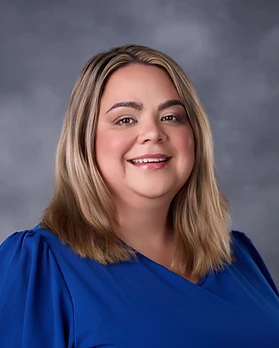
Sasha Flores
LCSW-S · PMH-C · RYT-200
Sasha Flores, LCSW-S, PMH-C, RYT-200, is a trauma therapist licensed in Texas, Oregon, Washington, and Colorado. She creates protected, thoughtfully paced spaces for parents who want to understand what happens inside them when parenting gets close enough to touch something real.


Yvette Davila
Collaborating Clinician
Yvette Davila, LCSW, MSW, is an experienced therapist who works with adolescents, adults, and older adults navigating anxiety, depression, and other mental health concerns. Her approach is individualized and draws from evidence-based and relational practices, including Cognitive Behavioral Therapy (CBT), culturally sensitive care, Gottman Method couples work, Motivational Interviewing (MI), mindfulness-based approaches, Family Systems, Dialectical Behavior Therapy (DBT), and EMDR.
Yvette brings a collaborative, thoughtful presence to her work and joins Sasha for select groups, workshops, and intensive experiences.
Healing Orchid Wellness & Counseling, PLLC
Yvette joins Sasha for the Texas cohort of The Connected Parent. Her collaborative, thoughtful presence supports parents working to stay connected to themselves while staying connected to their child. The Oregon cohort is led by Sasha independently.
Yvette Davila is an independent clinician with Healing Orchid Wellness & Counseling, PLLC, and collaborates with Sasha Flores Therapy for this offering. Participation in this group or workshop does not establish individual therapy with Yvette.
YOUR PARTICIPANT WORKBOOK
Something to return to between meetings
Your investment includes the designated participant workbook used with this structured parenting group. It offers a place to slow down, notice what happens during difficult parenting moments, understand familiar patterns, and practice new ways of responding.
The workbook helps carry the group experience into everyday family life through private reflection and practical tools. You may choose to talk about something you noticed, but you will never be required to show your pages or read your writing aloud.
This resource is here to support your experience, not to measure your progress. Nothing is submitted, graded, or required to be shared with the group.
Format & logistics
8-week structure, with weekly 90-minute sessions. A small closed cohort, capped for real connection. The Texas virtual cohort meets Thursdays, October 15–December 10, 2026. Future Oregon dates will be announced after the next cohort is formed. $625 paid in full, or 3 payments of $225 ($675 total).
Full fee details are on our Fees & Policies page.


You don't have to wait until parenting feels unbearable to get support.
If you're tired of knowing what kind of parent you want to be and losing access to that version of yourself when things get hard, you can join the interest list for the next cohort.